Finesse Dental

What Are Dental Implants?

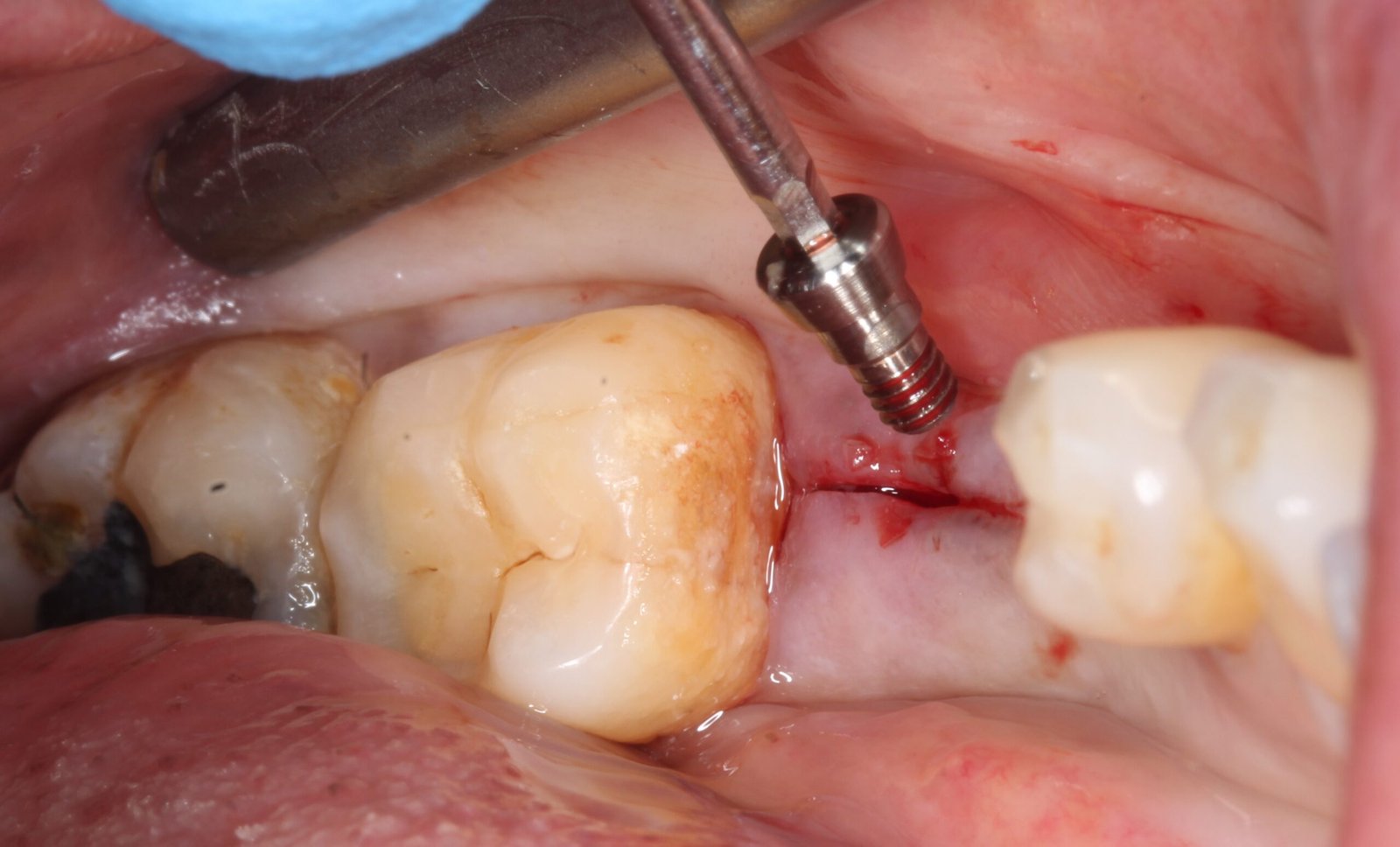
Dental implants are titanium posts that are surgically placed into the jawbone, acting as artificial roots for missing teeth. Once the implant integrates with the bone through a process called osseointegration, a crown (the visible part of the tooth) is attached to provide a natural appearance and functionality.

    Contact Info

    No: 58 A, East Madison Street, Baltimore, MD, USA 4508

    Social Share :

    Benefits of Dental Implants

    1. Natural Appearance: Dental implants look and feel like natural teeth, enhancing your smile and confidence.
    2. Durability: With proper care, dental implants can last a lifetime, making them a long-term solution for tooth loss.
    3. Bone Health: Implants stimulate the jawbone, preventing bone loss that often occurs with missing teeth.
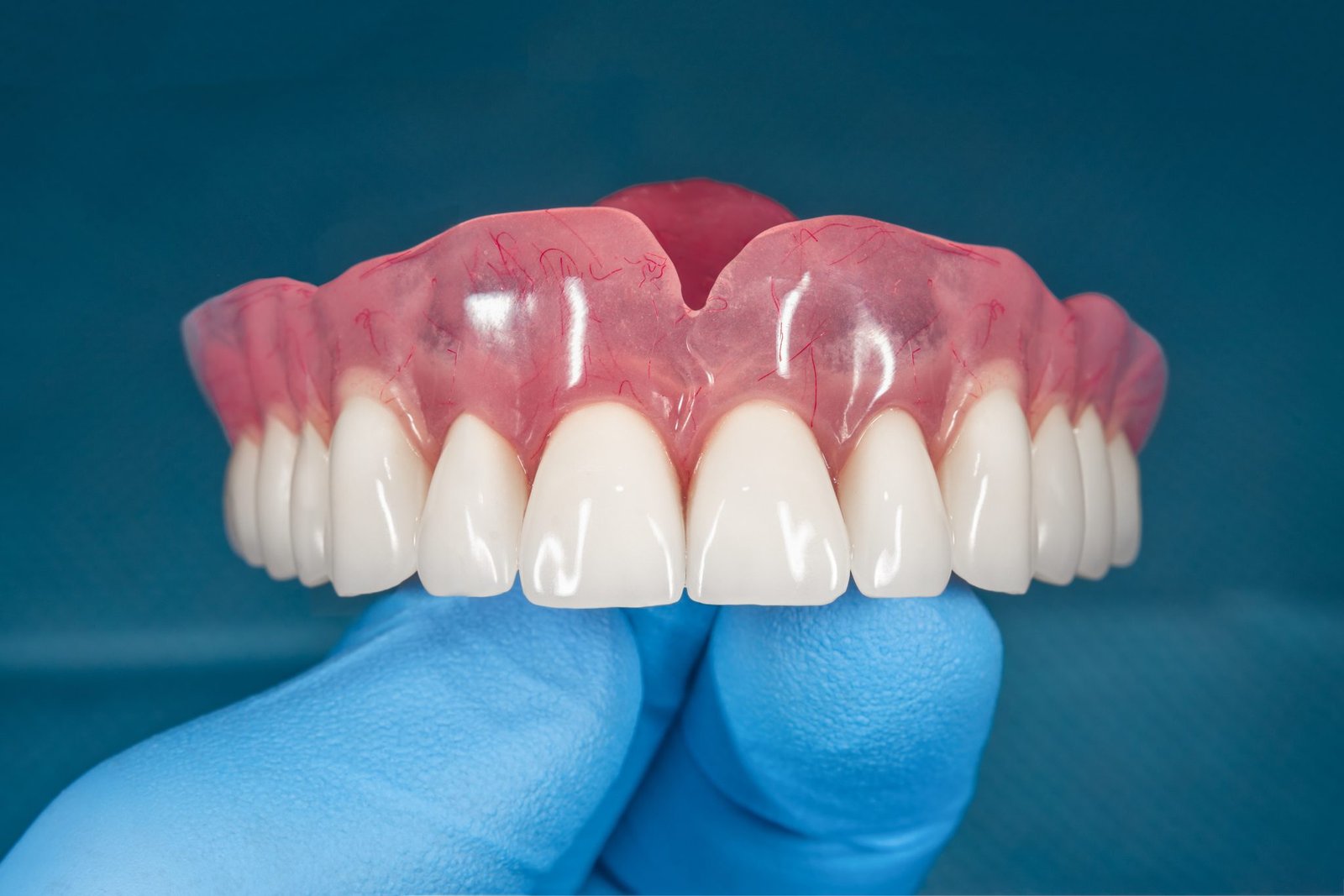
    4. Improved Functionality: Unlike dentures, dental implants provide stable support for chewing and speaking, allowing you to enjoy your favorite foods without worry.
    5. Convenience: Dental implants eliminate the need for messy adhesives and the hassle of removable dentures.
    6. Cost-Effectiveness: Dental implants in India are significantly more affordable compared to countries like the USA, Canada, and many European nations. The average cost of a single dental implant in India ranges from $300 to $800, while in the USA, it can exceed $3,000. This cost difference allows many patients to access high-quality dental care without breaking the bank.

    Dental Bridge vs Dental Implants

    When evaluating dental bridges versus dental implants, several factors come into play. Dental implants are often preferred for their long-lasting durability and the advantage of preserving adjacent healthy teeth, which bridges typically require altering. According to research by White (2018) in the Dental Journal of Advance Studies, implants also support jawbone health by minimizing bone loss associated with missing teeth.

    On the other hand, dental bridges may be a better choice in cases where adjacent teeth already have substantial dental work or when the patient’s bone health is insufficient to support implants without extensive grafting. Additionally, bridges are generally more cost-effective and involve a shorter treatment timeline, making them a practical option for certain individuals.